


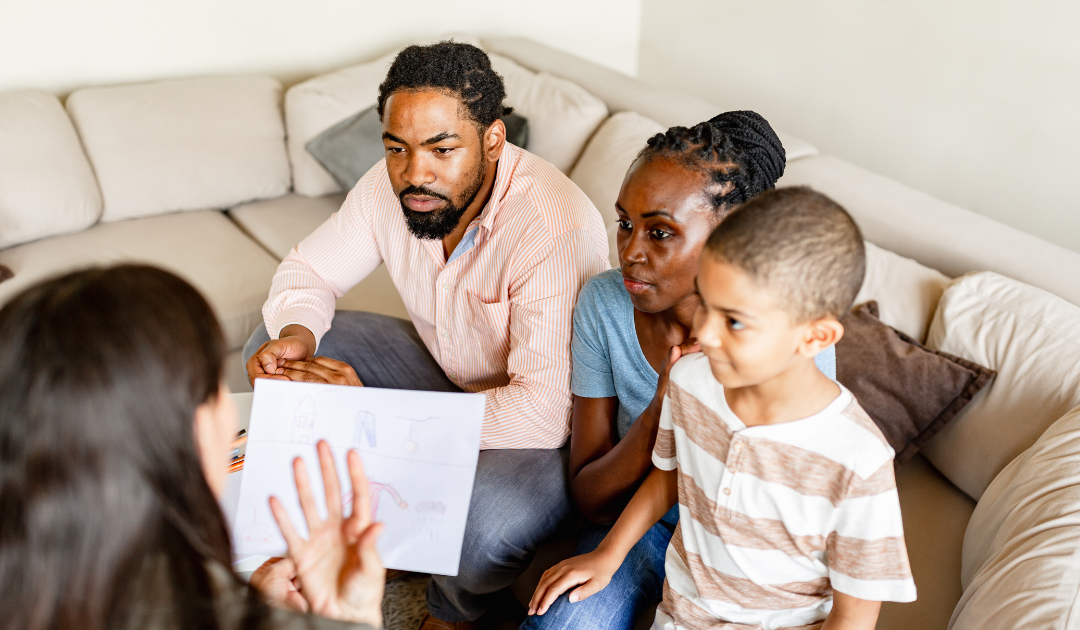
Families exploring parent training in ABA therapy often want practical ways to support communication, routines, independence, and emotional regulation outside of therapy sessions. Consistency across home environments and therapy settings can help children strengthen developmental skills through everyday interactions and routines.
At Allium Behavioral Services, family-centered collaboration is woven into every stage of the therapy process, helping caregivers feel confident and supported throughout their child’s early development.
What Is Parent Training in ABA Therapy?
Parent training in ABA therapy involves collaboration between caregivers and the clinical team to help support a child’s developmental goals outside of therapy sessions.
During parent training, caregivers may learn strategies related to:
- Communication development
- Emotional regulation
- Daily routines
- Transitions between activities
- Play and social interaction
- Reinforcement and motivation
- Adaptive and independent living skills
The goal is to help families feel more confident supporting their child within everyday routines and environments.
ABA parent training in Baltimore and surrounding communities is typically individualized based on the child’s developmental goals, family priorities, and daily routines. Some families may focus on communication support, while others may work on routines related to toileting, sleep, transitions, or increasing independence at home.
How Caregiver Involvement Supports Daily Routines
Children often learn best when skills are practiced consistently across multiple settings and caregivers.
Caregiver involvement in ABA therapy can help children strengthen skills during naturally occurring moments throughout the day, such as:
- Mealtimes
- Bedtime routines
- Morning transitions
- Playtime
- Community outings
- Communication during everyday activities
When families understand the strategies being used in therapy, it can become easier to support routines and reinforce progress outside of sessions.
Parent support autism services often focus on helping caregivers feel empowered rather than overwhelmed. Small adjustments to communication, routines, or environmental structure can sometimes make everyday activities feel more manageable for both children and families.
Skills Families Can Practice at Home
ABA strategies at home are often designed to fit naturally into a family’s existing routines, supporting consistency without disrupting daily life.
Depending on the child’s goals, families may practice skills related to:
- Encouraging independence during mealtimes and morning routines
- Supporting bedtime and sleep transitions
- Practicing turn-taking and waiting during play
- Building toileting routines and daily living habits
- Reinforcing communication during community outings
The focus is often on building consistency, confidence, and independence over time.
At Allium Behavioral Services, we are dedicated to helping caregivers establish a consistent routine to help support independence and growth for every child.
How ABA Teams Collaborate with Parents and Caregivers
Family-centered ABA therapy relies on open communication and ongoing collaboration between caregivers and the clinical team.
Collaboration may include:
- Regular progress updates
- Goal discussions
- Parent coaching sessions
- Modeling strategies during sessions
- Reflecting on successes and next steps at home
- Adjusting goals based on family priorities
When caregivers and clinicians stay connected, therapy goals can be adjusted to reflect what matters most to the family in everyday life.
Supporting Routines at Home
Families may also find support through Allium’s sleep consultation services,designed to help children build restful, consistent nighttime routines, and toilet training support, which offers structured guidance for building independence in daily living skills.
Questions Families May Ask About Parent Training in ABA Therapy
When choosing an ABA provider, families may want to ask how parent training and caregiver collaboration are incorporated into care.
Helpful questions may include:
- How are parents involved in treatment planning?
- How often are caregiver meetings scheduled?
- What types of strategies are shared with families?
- How does the clinical team communicate progress updates?
- Are goals adjusted based on family priorities and routines?
- What support is available for challenges at home?
- How are routines like sleep, transitions, or toileting addressed?
Families searching for family-centered ABA therapy are often looking for providers that place caregivers at the center of the treatment process.
FAQs About ABA Parent Training
What happens during ABA parent training?
Parent training sessions often involve collaboration between caregivers and the clinical team to review developmental goals, share observations from home, model strategies, and support skill-building within everyday routines.
Do parents practice ABA strategies at home?
Many ABA programs encourage caregivers to use supportive strategies at home so children can practice skills consistently across settings. These strategies are typically individualized and designed to fit naturally into family routines.
How often are caregivers involved?
Caregiver involvement varies depending on the child’s treatment plan and family goals. Collaboration may include regular meetings, coaching sessions, progress discussions, and ongoing communication with the clinical team.
Can parent training support routines and transitions?
Yes. Parent training may help families support routines related to transitions, communication, sleep, toileting, emotional regulation, and other daily living skills that impact everyday family life.