


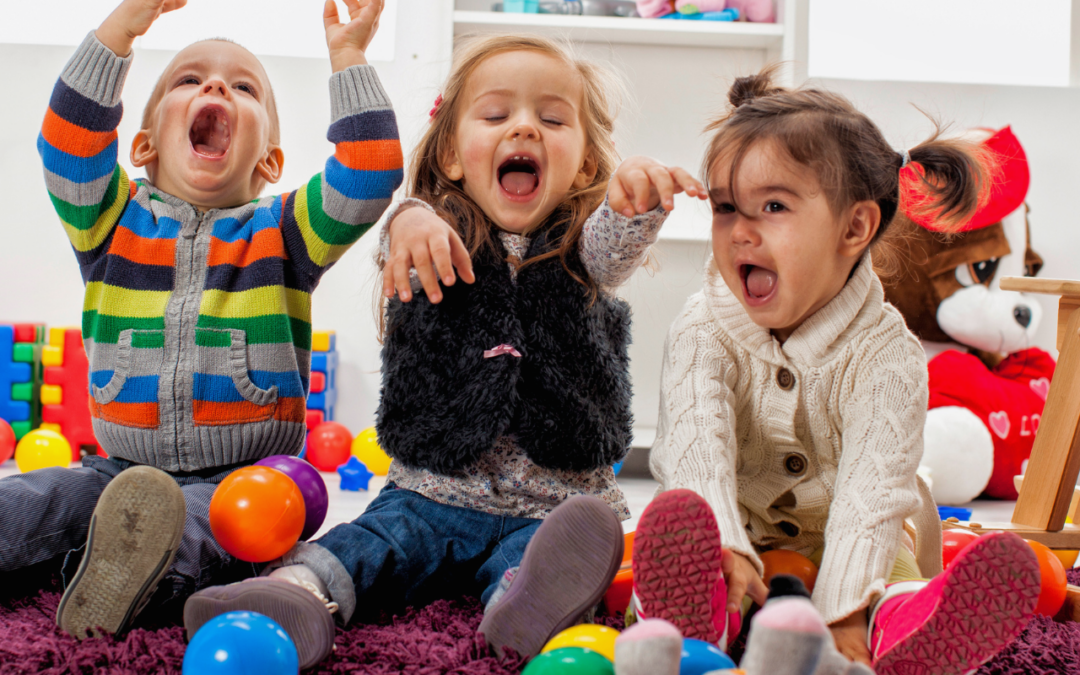
Winter break provides a special opportunity for children to practice social skills in fun and supportive ways. Social skills ABA therapy strategies can guide families in creating activities that strengthen communication, cooperation, and confidence while fostering meaningful connections at home.
Supporting Social Development Through Play During Winter Break
Winter break often brings a change in routine, more time at home, and opportunities for families to engage with children in meaningful ways. For many children, this is a perfect time to nurture social communication, cooperation, and emotional regulation in environments that feel safe and motivating.
At Allium Behavioral Services, we focus on creating playful, engaging experiences that reinforce social growth. By embedding skill practice into everyday activities, children are more likely to generalize these abilities across home, school, and community settings.
Why Social Skills ABA Therapy Matters
Social skills form the foundation for relationships, school readiness, and emotional well-being. Many children benefit from structured support and intentional practice to strengthen these abilities.
Key areas supported through social skills ABA therapy include:
- Expressive and receptive communication
- Turn-taking and sharing
- Understanding social cues
- Cooperative play
- Emotional regulation and coping strategies
- Problem-solving and conflict resolution
Winter break provides extra opportunities to practice these skills in familiar and enjoyable settings.
Winter Break Activities That Build Social Skills
1. Collaborative Winter Crafts
Creative projects encourage joint attention, cooperation, and communication. Children can make paper snowflakes, decorate ornaments, or create a winter collage.
Tips for families:
- Alternate steps to practice turn-taking
- Model social language like requesting help or commenting
- Celebrate completed projects to reinforce effort and collaboration
2. Structured Playdates or Sibling Activities
Guided interactions with siblings or familiar peers build confidence and relationship skills. Activities might include block building, puzzles, or matching games.
Helpful strategies:
- Keep schedules clear and predictable
- Provide simple rules and expectations
- Model social phrases while allowing natural interaction
3. Winter-Themed Pretend Play
Pretend play encourages imagination and social understanding. Examples include a hot cocoa stand, a winter grocery store, or toy animal rescue.
Role-play supports:
- Conversational skills
- Perspective-taking
- Flexible thinking
- Practicing social scripts in low-pressure scenarios
4. Outdoor Movement and Cooperation Games
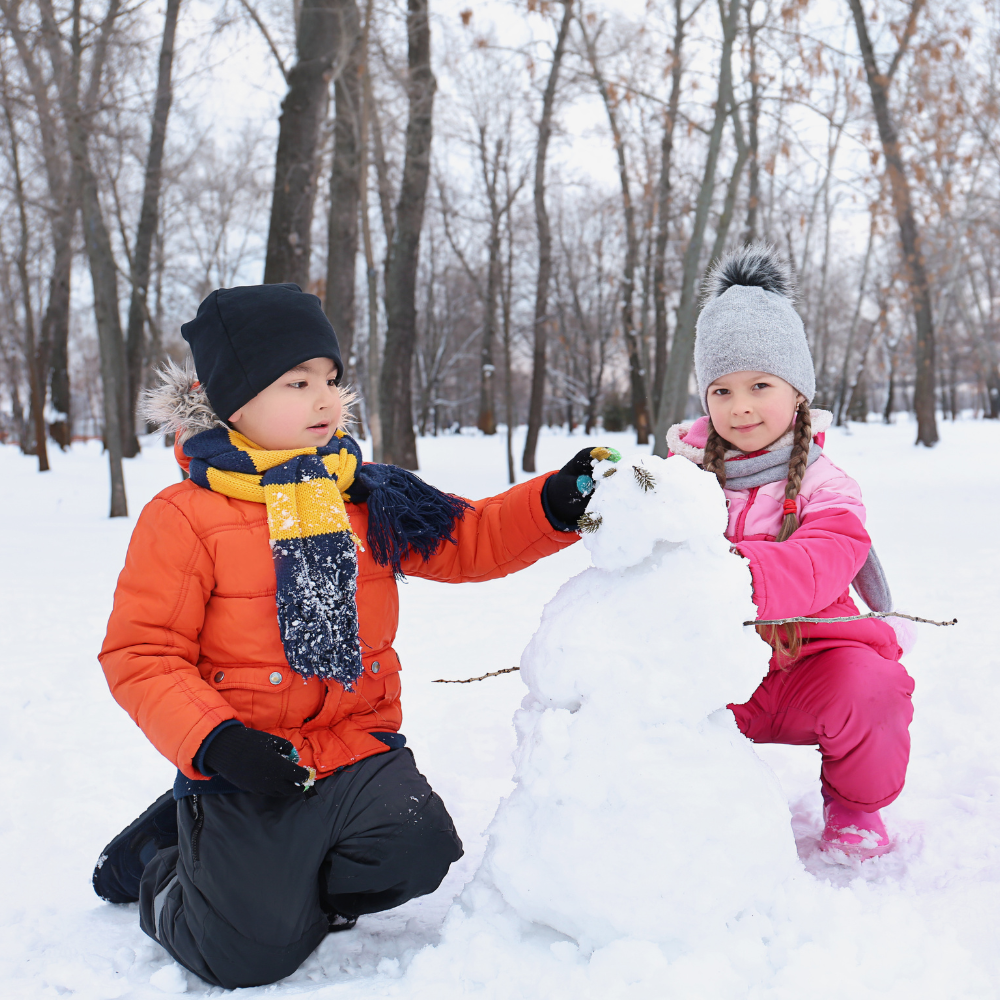
Even in colder climates, outdoor activities can promote teamwork and communication. Ideas include building a snowman, snow mazes, or scavenger hunts. Families in warmer areas can adapt using chalk, obstacle courses, or themed scavenger lists.
These activities foster:
- Cooperation and joint attention
- Problem-solving
- Communication in natural contexts
5. Cooking and Baking Together
Preparing winter-themed recipes develops sequencing, responsibility, and communication. Children take turns measuring, stirring, or decorating, reinforcing patience and cooperation.
Supports include:
- Picture-based recipes for visual guidance
- Step-by-step instruction for independence
- Opportunities to practice asking for help
6. Family Game Nights
Board and card games like Memory, Connect Four, Go Fish, or Bingo provide structured opportunities for turn-taking, rule-following, and emotional regulation.
Adults can support:
- Modeling patience and sportsmanship
- Reinforcing coping skills during wins or losses
- Encouraging appropriate social language
Benefits of Social Skills ABA Therapy Activities During Winter Break
Intentional social interactions help children:
- Strengthen communication in natural settings
- Improve cooperation and group participation
- Build confidence in social routines
- Increase flexibility and adaptability
- Strengthen family relationships
- Maintain continuity of ABA goals between sessions
Practicing these skills during enjoyable activities also supports generalization, which is essential for long-term success in social skill development.
Frequently Asked Questions
1. How do social skill activities support ABA therapy goals?
Social activities allow children to practice communication, turn-taking, cooperation, and emotional regulation. Practicing these skills at home reinforces generalization and consistency.
2. What if my child becomes overwhelmed?
Prepare a quiet space for breaks, use visual supports, and keep activities short and structured. Gradual exposure and predictable routines increase comfort and participation.
3. Are winter break activities helpful for children who prefer independent play?
Yes. Independent play is valuable, but guided interactions help expand social skills gradually. Start with brief, structured activities and build up interaction time.
4. How can I encourage communication during activities?
Provide choice-making opportunities, model social language, and pause to give children time to respond. Visual prompts or sentence starters can support engagement.
5. Can siblings support social skill development?
Absolutely. Siblings can model language, encourage participation, and reinforce skills naturally. Structured sibling activities also strengthen relationships and mutual understanding.
Supporting Families Through Social Skills ABA Therapy
Allium Behavioral Services provides family-centered ABA therapy that strengthens communication, social skills, and confidence. Our team offers personalized guidance, home strategies, and clinic-based learning experiences so children can grow socially and emotionally during winter break and beyond.
Take the Next Step
Explore ABA services today and discover how Allium supports children in practicing social skills, cooperation, and meaningful connection throughout winter break. Connect with our team to learn more about our evidence-based, family-centered programs in Rosedale.