


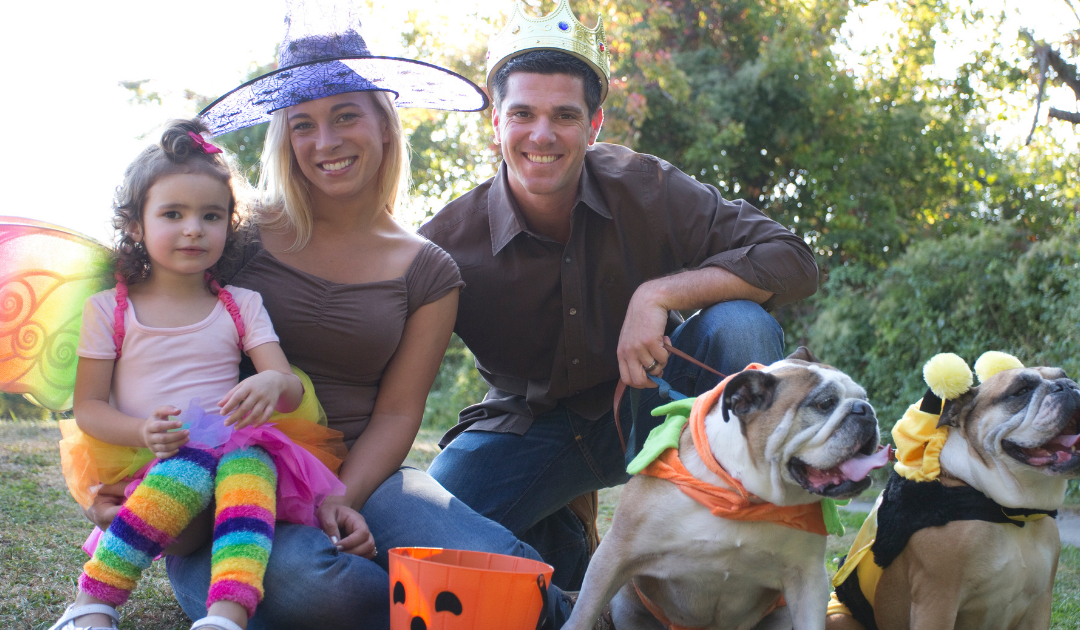
Halloween sensory tips for children work best when families preview new sights, sounds, and textures ahead of time, keep familiar routines in place, and plan simple ways to take breaks. A little preparation helps young children enjoy costumes, decorations, and trick-or-treating at their own pace. For families in Rosedale and across Baltimore County, these strategies support comfort and connection from the first pumpkin patch visit through Halloween night.
Why Fall Brings New Sensory Experiences
Fall changes the sensory landscape of a child’s world in many small ways at once. Cooler air, earlier sunsets, crunchy leaves, new clothing layers, and seasonal scents all arrive within a few weeks. Each change offers something new to notice, explore, and adjust to.
Fall sensory changes for toddlers often show up in everyday moments:
- Clothing: Jackets, hats, and long sleeves introduce new textures and fits.
- Light: Shorter days shift the timing of outdoor play, dinner, and bedtime.
- Sound: Leaf blowers, school events, and holiday music add new background noise.
- Scent and taste: Pumpkin, cinnamon, and seasonal foods bring unfamiliar flavors.
Children with autism and children who notice sensory input strongly may respond to these shifts in their own ways. Watching how your child reacts to each change offers helpful clues about what feels comfortable and what may benefit from a slower introduction.
Preparing for Halloween Costumes, Sounds, and Crowds
Halloween gathers many sensory experiences into a single evening. Costumes, doorbells, flashing decorations, and busy sidewalks often appear together, usually after dark. Preparing in the days and weeks ahead gives your child time to become familiar with each piece.
Choose Costumes With Comfort in Mind
- Start with soft, familiar fabrics, or build a costume on top of everyday clothing.
- Skip masks, tight headpieces, and scratchy tags when possible.
- Practice wearing the costume at home for short periods, then gradually longer.
- Let your child’s favorite interests guide the costume choice.
Preview Sounds and Sights Together
Look at pictures of decorations and costumes together, and talk about what your child might see and hear. Explain that spooky decorations are pretend and part of the celebration. The Autism Speaks Halloween teaching story can be personalized with your own photos, giving your child a familiar way to preview the day.
Plan Ahead for Crowds
Walk your trick-or-treat route during daylight, point out the houses you plan to visit, and keep the list short. Smaller gatherings, trunk-or-treat events, and daytime activities offer a gentler introduction to the holiday.
How Can You Help a Child With Sensory Sensitivities Enjoy Halloween?
A comfortable Halloween starts with a plan your whole family understands. Simple, predictable steps help children know what comes next and when the evening will wrap up.
- Create a visual schedule. Use pictures to show each step: costume on, walk to the first house, knock, share “trick or treat,” and head home.
- Practice at home. Role-play knocking on a door, receiving a treat, and saying thank you. Children who communicate in different ways can practice with a picture card or communication device.
- Pack a comfort kit. Noise-reducing headphones, a favorite toy, water, and a familiar snack can support calm moments.
- Keep routines steady. Hold dinner and bedtime close to their usual times so the rest of the day feels familiar.
- Plan a break spot. Agree on a quiet place, such as the car or your front porch, where your child can rest.
- Celebrate at your child’s pace. Two houses or twenty, every step counts. Handing out candy from home is a wonderful way to take part, too.
For costume visibility and street safety, the American Academy of Pediatrics shares helpful Halloween safety tips for families. For more ways to ease into the season, explore our fall transition strategies for toddlers.
How ABA Therapy Supports Coping with New Environments
ABA therapy supports children as they practice adjusting to new places, people, and routines. Through play-based sessions, children can build skills such as following a visual schedule, asking for a break, waiting, and sharing preferences. These skills carry over naturally into seasonal events, family gatherings, and community outings, making ABA a meaningful source of autism support during Halloween and beyond.
At Allium Behavioral Services, our clinic-based early intervention program offers young children a consistent, structured setting where new experiences are introduced gradually. Each child’s individualized behavior plan reflects their strengths, interests, and goals, and our team partners closely with parents so strategies feel natural at home.
ABA therapy can support your child this season through:
- Gradual exposure: Children practice with new textures, sounds, and settings in small, manageable steps.
- Communication skills: Children can practice ways to share what they enjoy, what they need, and when they want a pause.
- Self-calming routines: Children can build strategies for settling their bodies, such as deep breaths or holding a favorite object.
- Parent training: Families can receive practical strategies for preparing children for holidays and outings.
Families throughout Baltimore City and Baltimore County choose compassionate ABA therapy in Rosedale for care that grows alongside their child.
Halloween Sensory Tips: Frequently Asked Questions
Why can Halloween feel overwhelming for young children?
Halloween brings many new sensory experiences together at once, including costumes, bright or flashing lights, loud sounds, crowds, and a later bedtime. Young children, including children with autism, may notice these changes strongly. Preparing ahead and keeping familiar routines in place helps the evening feel more predictable.
How can families prepare ahead of time?
Families can prepare by practicing with costumes at home, previewing decorations through pictures or stories, walking the trick-or-treat route in daylight, and creating a simple visual schedule. Starting one to two weeks ahead gives children time to become familiar with each step.
What strategies help during trick-or-treating?
Helpful strategies during trick-or-treating include bringing noise-reducing headphones and a comfort item, visiting a small number of houses, planning a quiet break spot, and following your child’s lead. Children can also use a picture card or communication device to share “trick or treat.”
What fall sensory changes might toddlers notice?
Toddlers may notice new clothing textures, earlier sunsets, cooler temperatures, seasonal smells, and louder or busier environments. Introducing these changes gradually and keeping daily routines consistent helps toddlers settle into the season comfortably.
Celebrate the Season With Family-Centered Support
Every child experiences fall and Halloween in their own way, and each new experience offers a chance to grow. Our Rosedale team is here to partner with your family through Halloween, the holidays, and beyond. Connect with our Rosedale team to discover how Allium Behavioral Services can support your child’s growth this season.