


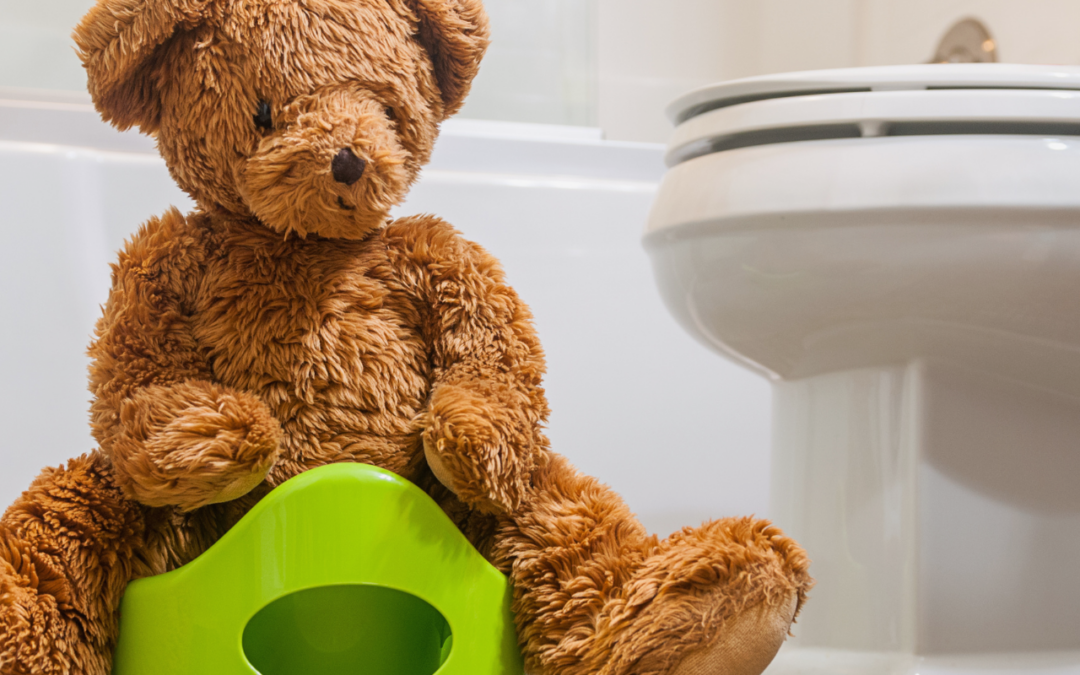
ABA toilet training supports children by using consistent routines, visual supports, and positive encouragement to guide each step of the process, helping families build confidence and independence at a pace that feels supportive and achievable.
Understanding Toilet Training as a Developmental Milestone
Toilet training represents an important step in early childhood development. For many families, this milestone brings excitement, questions, and occasional uncertainty. Children develop readiness skills at different times, and progress often looks gradual rather than linear.
ABA therapy supports toilet training by focusing on structure, encouragement, and collaboration with families. The goal centers on helping children feel successful and supported throughout the process while respecting their individual needs and comfort levels.
How ABA Therapy Supports Toilet Training
ABA-informed approaches break toilet training into manageable steps, making the experience less overwhelming for both children and caregivers. These strategies are evidence-based and flexible, allowing families to adjust routines while maintaining consistency.
Key principles include:
- Predictable routines that help children understand expectations
- Clear communication using visuals and simple language
- Positive reinforcement that encourages progress
- Collaboration between families and clinic-based professionals
Signs a Child May Be Ready for ABA Toilet Training
Every child develops readiness skills differently. Rather than focusing on age alone, ABA therapy emphasizes observable behaviors that suggest readiness.
Common readiness indicators include:
- Staying dry for longer periods
- Showing awareness of bathroom needs
- Following simple instructions
- Demonstrating interest in bathroom routines
- Tolerating sitting on the toilet for short periods
A clinic-based ABA team can help families assess readiness and determine when to begin.
Step-by-Step ABA Toilet Training Strategies
1. Create a Consistent Bathroom Routine
Consistency builds understanding. Scheduling regular bathroom visits helps children anticipate expectations and reduces uncertainty. Routines may align with meals, transitions, or specific time intervals throughout the day.
2. Use Visual Supports
Visual schedules and picture cues provide clarity and reassurance. These tools guide children through each step of the routine, from entering the bathroom to washing hands afterward.
3. Reinforce Progress Positively
Positive reinforcement encourages participation and builds motivation. Praise, small rewards, or preferred activities can acknowledge effort and success in a meaningful way.
4. Encourage Independence Gradually
ABA strategies support independence by allowing children to take part in each step at their own pace. Assistance fades gradually as confidence and comfort grow.

5. Maintain a Calm, Supportive Approach
Accidents and setbacks happen. ABA therapy emphasizes patience and encouragement, helping children feel safe to continue learning without pressure.
How Clinic-Based ABA Therapy Supports Toilet Training
Clinic-based ABA therapy in Rosedale offers professional guidance and consistency that can make toilet training feel more manageable. Clinicians collaborate with families to ensure strategies align across settings, helping children generalize skills from the clinic to home.
Benefits of clinic-based support include:
- Structured environments that support routine-building
- Professional observation and adjustment of strategies
- Collaboration with caregivers to maintain consistency
- Individualized plans tailored to each child’s developmental needs
Supporting Toilet Training at Home
Home routines play a vital role in success. Families can reinforce clinic-based strategies by maintaining predictable schedules, using familiar visuals, and offering encouragement throughout daily activities.
Helpful tips for caregivers include:
- Using consistent language across environments
- Offering choices when appropriate to encourage participation
- Celebrating effort as much as outcomes
- Keeping supplies accessible and routines familiar
Common Challenges and How ABA Supports Families
Resistance or Avoidance
Some children may initially resist bathroom routines. ABA strategies focus on gradual exposure and positive experiences to build comfort over time.
Accidents During Learning
Accidents are a natural part of the process. ABA therapy emphasizes reassurance and consistency rather than correction or frustration.
Inconsistent Progress
Progress often happens in stages. Clinic-based ABA professionals help families adjust routines and supports to maintain momentum.
Frequently Asked Questions
How long does ABA toilet training take?
The timeline varies for each child. Progress depends on readiness, consistency, and individual learning pace.
Can toilet training strategies be used alongside other ABA supports?
Yes. Toilet training often integrates seamlessly with broader ABA therapy programs.
What if my child is anxious about the bathroom?
ABA strategies focus on gradual comfort-building, helping children feel safe and supported throughout the process.
Does clinic-based ABA therapy replace home routines?
No. Clinic-based support works best when families reinforce strategies at home through collaboration and consistency.
Partnering With Families in Rosedale
Successful toilet training relies on teamwork. ABA therapy values family-centered care, offering guidance, encouragement, and education so caregivers feel confident supporting their child’s progress.
Families remain active partners throughout the process, ensuring strategies fit naturally into daily life.
Support Your Child’s Independence With Compassionate ABA Care in Rosedale
Connect with Allium to learn how clinic-based ABA therapy supports toilet training through structured routines, positive reinforcement, and family-centered collaboration.