



ABA therapy supports children through structured, evidence-based strategies that foster steady growth in communication, social skills, independence, and emotional regulation. When families collaborate with therapists, progress becomes meaningful, consistent, and noticeable year after year.
How ABA Supports Meaningful Growth Over Time
ABA therapy helps children develop skills in small, achievable steps that build on each other. Some progress appears quickly, while other skills emerge gradually through consistent practice and reinforcement.
Skill Development That Builds Confidence
Structured ABA practices support children in mastering increasingly complex skills. Over time, this leads to measurable growth, including:
- Improved communication abilities
- Stronger emotional regulation
- Greater independence with daily routines
- More successful social interactions
Each year provides opportunities to layer new skills onto previous accomplishments, supporting long-term growth.
Evidence-Based Strategies That Promote ABA Therapy Success Stories
ABA uses research-backed methods to support steady development. Therapists adjust strategies to match a child’s strengths and developmental needs. Techniques such as positive reinforcement, prompting, modeling, and naturalistic teaching work together to ensure progress remains meaningful and consistent.
Celebrating Progress: Recognizing Wins Big and Small
Reflection helps families appreciate how far their child has come. Recognizing small moments—like responding to their name, expressing a need, or playing cooperatively—reinforces learning and builds motivation.
Family Journals and Progress Reflections
Tracking milestones through journals, photos, or monthly notes helps parents see ongoing growth and identify areas to celebrate. Documenting progress also supports goal-setting for the next year.
The Role of Family Collaboration in ABA Therapy Success
Family involvement is essential for extending ABA progress beyond therapy sessions. Active collaboration helps children practice skills consistently and reinforces learning in daily life.
Collaboration Strengthens Every Step
Therapists and families partner to review goals, track progress, and implement strategies that integrate naturally into routines. Benefits include:
- Greater consistency across settings
- Opportunities for real-world practice
- Stronger communication between caregivers and therapists
- Increased confidence for children and parents
As families become familiar with ABA strategies, they play a more active role in supporting growth throughout the year.
Year After Year: What Growth Looks Like in ABA Therapy Success
Communication and Social Skills
Over time, children improve their ability to express needs, thoughts, and emotions. Social skills grow as they learn to share, take turns, follow social cues, and engage in group activities.
Emotional Regulation
ABA therapy helps children manage frustration, express feelings appropriately, and cope with transitions. These skills make daily routines smoother and support positive relationships.
Independence in Daily Routines
Yearly progress often appears in self-care routines such as dressing, brushing teeth, cleaning up, or preparing simple snacks. Each new skill strengthens confidence and independence.
Academic and School Readiness
ABA supports foundational behaviors for learning, like participating in group time, following directions, and adapting to classroom routines. These skills create a positive and successful school experience.
Looking Ahead: Planning for Another Year of Growth
The new year is a natural time to set achievable, meaningful goals. Families and therapists collaborate to identify next steps based on progress, strengths, and areas needing additional support.
Goal Setting That Feels Realistic
ABA goal-setting focuses on data, observation, and family priorities. New objectives might include:
- Expanding communication
- Increasing independent play
- Strengthening peer interactions
- Improving flexibility and coping skills
These goals guide continued progress and ensure children build on prior successes year after year.
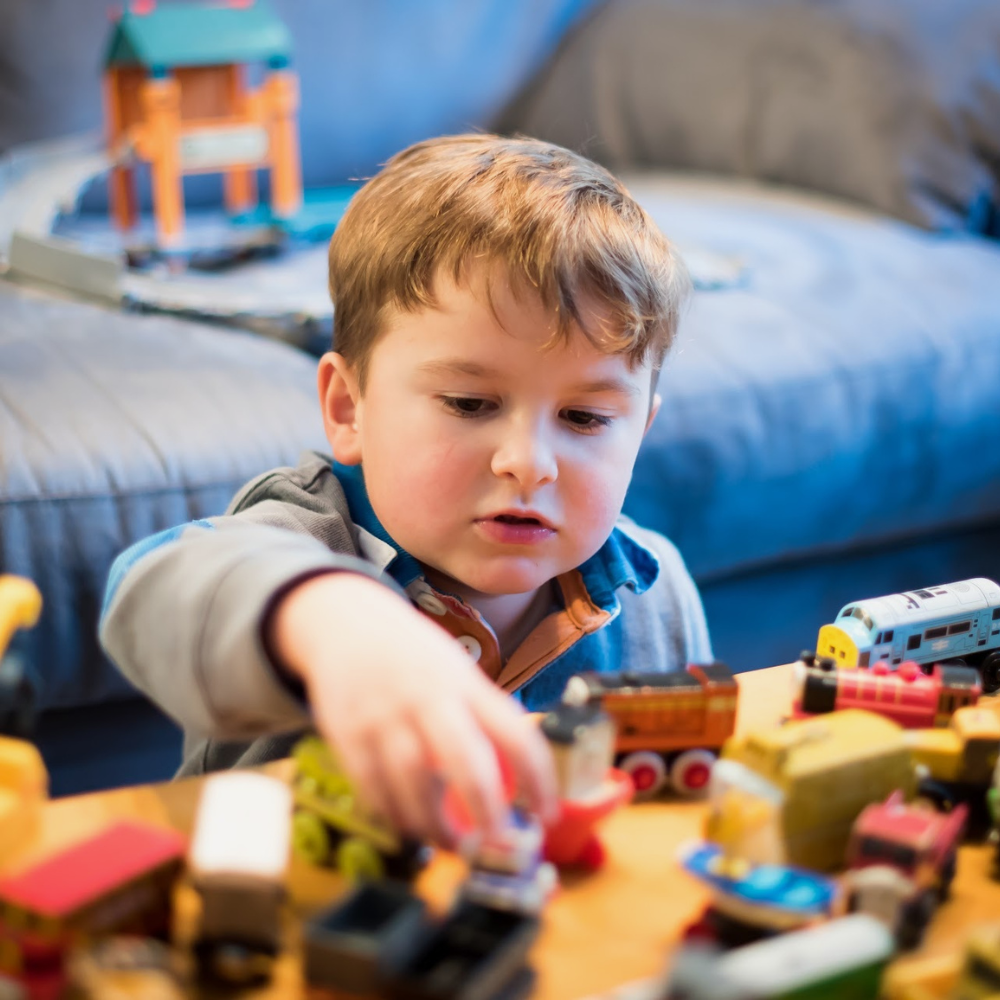
Learn more about ABA Therapy Success
ABA therapy supports children with consistent, compassionate, and individualized strategies. By reflecting on the past year, families can celebrate achievements in communication, social skills, independence, and emotional regulation. Strong collaboration between parents and therapists ensures growth continues steadily, making every year an opportunity for meaningful progress.
Frequently Asked Questions
1. How long does it take to see progress in ABA therapy?
Progress varies for each child, but families often notice meaningful changes within the first few months. Growth continues with long-term participation.
2. What should I expect from goal-setting?
Goal-setting is collaborative, based on your child’s strengths and needs. Your BCBA will help create realistic, achievable objectives.
3. How can I stay involved in my child’s growth throughout the year?
Attending parent meetings, practicing strategies at home, and communicating with your child’s therapy team help extend learning beyond sessions.
4. Does ABA therapy change as my child grows?
Yes. Therapy plans evolve with the child. Goals, strategies, and session structures are updated to support each stage of development.
Plan for Continued Growth
Reflect on your child’s achievements and set meaningful objectives for the year ahead. Allium Behavioral Services provides compassionate, evidence-based ABA therapy and family collaboration to support steady, long-term growth. Connect with our team to explore how ABA therapy can help your child thrive year after year.