
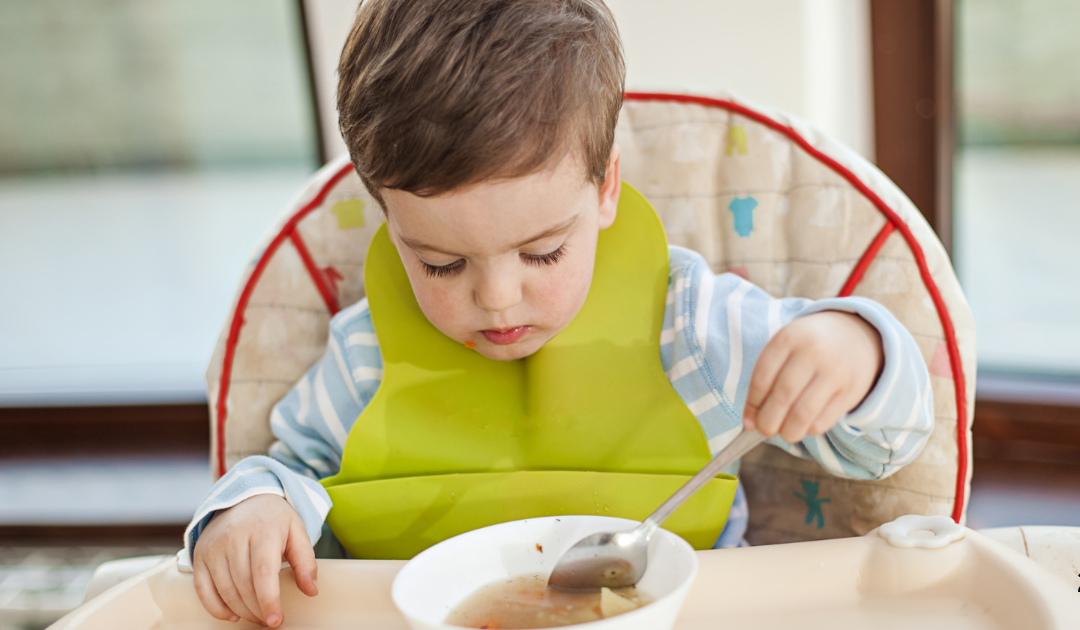
ABA therapy for picky eating in toddlers helps children build calm, predictable mealtime routines and practice exploring new foods one small step at a time. Through individualized goals, positive reinforcement, and parent training, families in Rosedale and across Baltimore County can bring structure and ease to the family table.
Selective eating is a typical part of early development. For some children, more structured guidance can make mealtimes more comfortable for the whole family. Applied behavior analysis (ABA) offers a practical, evidence-based framework for that support.
Why Mealtime Can Be Challenging for Young Children
Mealtime asks a lot of a young child. Sitting at the table, waiting for food, using utensils, communicating preferences, and responding to new tastes and textures all draw on developing skills. Toddlers are also building independence, and food is one of the first areas where they practice making their own choices.
According to the American Academy of Pediatrics on HealthyChildren.org, picky eating is common in toddlers, in part because growth and appetite naturally slow after infancy. Children may favor one or two foods for a period of time, then shift their preferences without warning.
Several factors can shape how a child experiences mealtime:
- Sensory preferences: Some children respond strongly to certain textures, smells, temperatures, or colors.
- Communication skills: A child who is still developing language may have fewer ways to request, decline, or ask for a break.
- Routine and predictability: Irregular meal and snack times can affect hunger and interest at the table.
- Transitions: Moving from play to mealtime can feel abrupt without a clear, consistent signal.
Understanding these factors gives families and clinicians a clear starting point for building positive mealtime routines for toddlers.
How ABA Therapy Supports Feeding and Mealtime Skills
Feeding support in ABA therapy begins with an assessment of the child’s current skills, preferred foods, interests, and family priorities. A Board Certified Behavior Analyst (BCBA) uses this information to design an individualized behavior plan with clear, achievable goals that fit the family’s daily routine.
Children can build and practice a range of mealtime skills, including:
- Sitting at the table for gradually longer periods
- Self-feeding with a spoon, fork, or open cup
- Communicating at meals, such as requesting “more,” saying “all done,” or asking for a preferred item
- Staying comfortable with new foods on the plate or nearby
- Exploring new foods through steps such as touching, smelling, licking, and tasting
- Following a predictable mealtime sequence, from washing hands to clearing a plate
ABA therapy relies on positive reinforcement, which recognizes and rewards each small step forward. Skills are often broken into manageable parts, a process called task analysis, so a child can experience success at every stage. A BCBA may also use gradual exposure, in which a new food is introduced in small, low-pressure ways over time.
Through clinic-based early intervention for young children, children can practice these skills in a structured, supportive setting alongside other daily living and communication goals. Parent training then helps families carry those same strategies into the home, where most meals take place.
When a child has medical, growth, or oral motor concerns, ABA providers collaborate with pediatricians, speech-language pathologists, occupational therapists, and feeding specialists so that each part of the child’s care works together.
Practical Strategies Families Can Use at Home
Small, consistent changes can make a meaningful difference at the table. The following strategies reflect common ABA principles and align with pediatric feeding guidance.
1. Keep a predictable schedule.
Offer meals and snacks at similar times each day. A steady rhythm supports natural hunger cues and helps children know what to expect.
2. Signal the transition to mealtime.
A short verbal cue, timer, song, or picture schedule can prepare a child to move from play to the table.
3. Pair new foods with preferred foods.
Include at least one familiar, accepted food on the plate. A small portion of a new food alongside a favorite feels more approachable.
4. Start with very small portions.
A single pea or one small bite of a new food is a reasonable first goal. Children can always ask for more.
5. Celebrate small steps.
Specific praise, such as “You touched the carrot!” or “Great job sitting with us,” reinforces effort and engagement rather than the amount eaten.
6. Keep the atmosphere low pressure.
Pressure to “take one more bite” can make meals tense. The AAP’s guidance on helping picky eaters try new foods encourages families to keep meals calm and positive while continuing to offer a variety of foods.
7. Model the behavior you hope to see.
Children learn by watching. Eating together and showing interest in a range of foods sets a natural example.
8. Offer simple choices.
Letting a child choose between two vegetables, or between a blue plate and a green plate, supports independence within a clear structure.
9. Expect repeated exposure.
Many children need to encounter a new food many times before accepting it. Each exposure counts, even when the food stays on the plate.
When to Reach Out for Additional Support
Picky eating in toddlers often improves with time and consistent routines.
When Should Parents Be Concerned About Picky Eating?
Parents may want to seek additional guidance when picky eating continues over time without gradual improvement, limits a child’s diet to a small number of foods, affects growth or weight, or leads to consistent distress at mealtimes. A pediatrician can review growth and nutrition, and ABA therapy can provide structured support for building mealtime skills and expanding food variety.
Signs that additional support may be helpful include:
- Your child accepts a very limited number of foods, or the list is getting shorter
- Mealtimes regularly lead to significant distress for your child or family
- Your child has strong reactions to certain textures, smells, or food groups
- Your pediatrician has raised questions about growth, weight, or nutrition
- Your child is building communication, self-feeding, or daily living skills and would benefit from structured practice
Frequently Asked Questions About ABA Therapy and Picky Eating With Toddlers
Is picky eating common in toddlers?
Yes. Picky eating is very common in toddlers and often reflects typical development, including a natural slowing of growth and appetite after infancy and a growing desire for independence. Most children gradually expand their food variety with consistent routines and repeated, low-pressure exposure.
How does ABA therapy support mealtime skills and picky eating with toddlers?
ABA therapy supports mealtime skills by breaking feeding routines into small, achievable steps and reinforcing progress along the way. A BCBA can help a child practice sitting at the table, self-feeding, communicating preferences, and exploring new foods. Parent training helps families use the same strategies at home.
What strategies help introduce new foods?
Helpful strategies include offering a very small portion of a new food alongside a preferred food, keeping meals on a predictable schedule, praising small steps such as touching or smelling the food, modeling eating the food yourself, and allowing repeated exposure without pressure.
Connect with Our Team
Allium Behavioral Services partners with families in Rosedale, Baltimore County, and Baltimore City to support meaningful growth in everyday routines, including mealtime. Contact our Rosedale ABA team to discuss how individualized ABA therapy can support your child and family.