


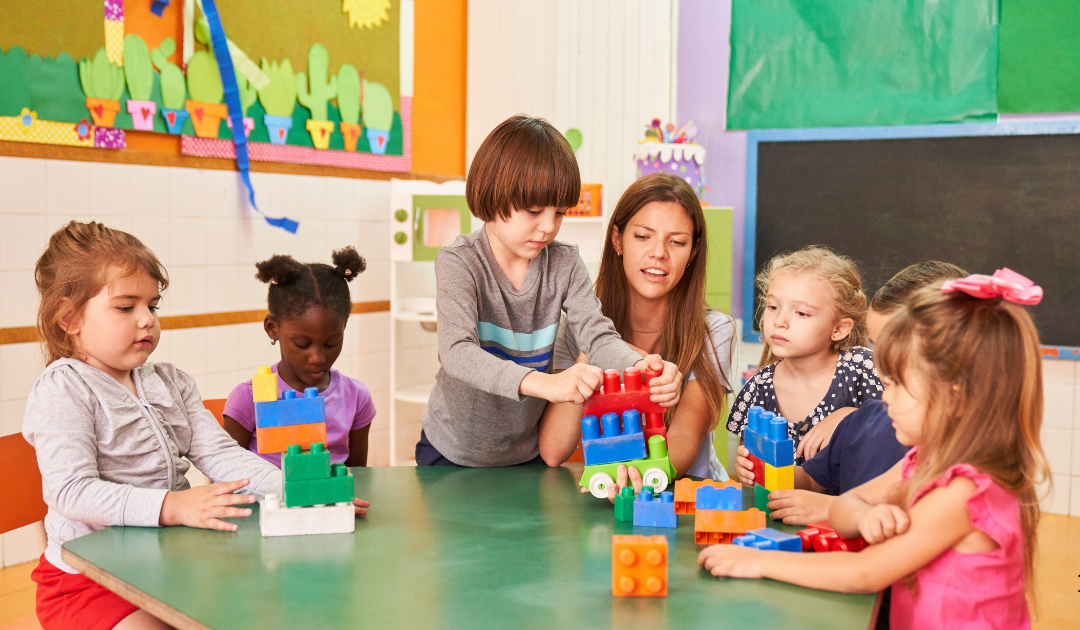
Building social skills in toddlers happens gradually, through play, shared attention, and everyday chances to connect with caregivers and other children. Guided play gives young children a natural, low-pressure space to practice turn-taking, imitation, and early cooperation, one small step at a time.
At Allium Behavioral Services, families in Rosedale and across Baltimore County find family-centered ABA therapy in Rosedale that nurtures these skills through play-based, evidence-based care. Below, we walk through how social development unfolds, how guided play and ABA therapy play skills support peer connection, and simple ways families can encourage social play at home.
Why Social Skills Develop Gradually in Early Childhood
Social development grows in layers. Infants connect through eye contact, smiles, and back-and-forth sounds with the adults who care for them. As toddlers grow, they begin watching other children with curiosity, copying what they see, and playing side by side with peers.
This side-by-side stage, often called parallel play, is a healthy and expected part of toddlerhood. Two children may build with blocks next to each other without playing together directly, yet both are observing, imitating, and getting comfortable around a peer. Over time, these moments grow into sharing materials, taking turns, and pretend play with a friend.
Social Milestones Families Often See in the Toddler Years
Every child grows at their own pace, so families can use these as general patterns:
- Around 12 to 18 months: Showing toys to a caregiver, waving, and imitating simple actions
- Around 18 to 24 months: Noticing other children, playing near peers, and starting simple pretend play
- Around 2 to 3 years: Taking turns with adult support, joining other children in play, and showing affection for familiar friends
The CDC early childhood development resources offer milestone checklists families can use to follow their child’s growth. If you have questions about your child’s social development, your pediatrician is a helpful first conversation.
How Guided Play Builds Connection
Guided play blends a child’s natural interests with gentle support from an adult. The adult follows the child’s lead, joins the activity, and adds small opportunities to connect, such as pausing for a turn or modeling a new way to play.
Guided play helps toddlers build and practice:
- Shared attention: Looking at the same toy or activity with another person
- Turn-taking: Waiting, watching, and then taking a turn
- Imitation: Copying actions, sounds, and words from caregivers and peers
- Communication: Requesting, commenting, and responding during play
- Flexibility: Trying new ways to play with familiar toys
What Guided Play Looks Like in Everyday Moments
Guided play fits easily into ordinary routines. Rolling a ball back and forth builds turn-taking. Stacking a block tower together, one block each, encourages shared attention and patience. A pretend kitchen invites children to “cook” for a caregiver or friend, supporting imagination and early conversation.
How ABA Therapy Supports Peer Interaction
ABA therapy supports social growth by breaking larger skills into small, achievable steps and celebrating progress along the way. Each program begins with an assessment that helps the clinical team learn about your child’s strengths, interests, and current skills. That information shapes your child’s individualized intervention plan, so play activities reflect what your child already enjoys.
Through clinic-based early intervention in Rosedale, children can practice ABA therapy play skills in a consistent setting with trained clinicians and opportunities to interact with peers. Clinicians use positive reinforcement, modeling, and gentle prompting to help children feel successful as they try new ways to connect.
Building Peer Connection Step by Step
Peer connection often grows through a gradual sequence, such as:
- Playing comfortably near another child
- Sharing or handing materials to a peer
- Taking turns in a simple game with support
- Joining a shared activity, like a song or building project
- Engaging in pretend play together
Clinicians also partner with families so skills practiced in the clinic carry over into home routines, playdates, and early learning settings.
Shared Play for Toddlers and Caregivers
The Allium Sprouts toddler and caregiver program welcomes every family with a young child, whether or not they receive ABA services. Caregivers attend each session alongside their toddler, joining in play, songs, and activities that support social, communication, and play skills in a warm group setting.
Practical Ways Families Can Encourage Social Play at Home
Families play a central role in peer connection for toddlers. Small, consistent moments at home add up over time. Here are a few simple strategies:
- Follow your child’s lead. Join the activity your child chooses and build on their interests.
- Model and narrate. Describe what you are doing (“I’m rolling the car to you!”) so your child can hear and copy social language.
- Practice turn-taking games. Simple games like rolling a ball, stacking blocks, or taking turns with a drum support waiting and sharing.
- Keep playdates short and simple. A brief visit with one familiar friend and a few favorite toys gives children a comfortable place to start.
- Use pretend play. Feeding a stuffed animal or hosting a tea party invites children to practice caring, sharing, and conversation.
- Celebrate small moments. A glance, a shared smile, or handing a toy to a friend are meaningful steps worth noticing and praising.
For more everyday ideas, the CDC positive parenting tips for toddlers share age-specific activities that support healthy social and emotional growth.
FAQs About Building Social Skills in Toddlers in Rosedale, MD
When do toddlers start developing social skills?
Toddlers begin developing social skills in infancy through eye contact, smiles, and back-and-forth sounds with caregivers. Between 18 months and 3 years, many children move from playing near peers to taking turns and joining simple group play. Every child grows at their own pace.
How does ABA therapy support play skills?
ABA therapy supports play skills by breaking activities like turn-taking, sharing, and pretend play into small, manageable steps. Clinicians build on each child’s interests and use positive reinforcement so children can practice new skills with caregivers and peers.
What can parents do at home to build social connection?
Parents can build social connection at home by following their child’s lead in play, modeling simple social language, and practicing turn-taking games. Short playdates and pretend play also give toddlers comfortable chances to connect with others.
Begin Your ABA Journey
Every child builds social connection in their own way, and families are valued partners at every step. Allium Behavioral Services supports toddlers in Rosedale, Baltimore City, and Baltimore County through compassionate, individualized care.
Connect with our team to learn how Allium Behavioral Services can support your family.