


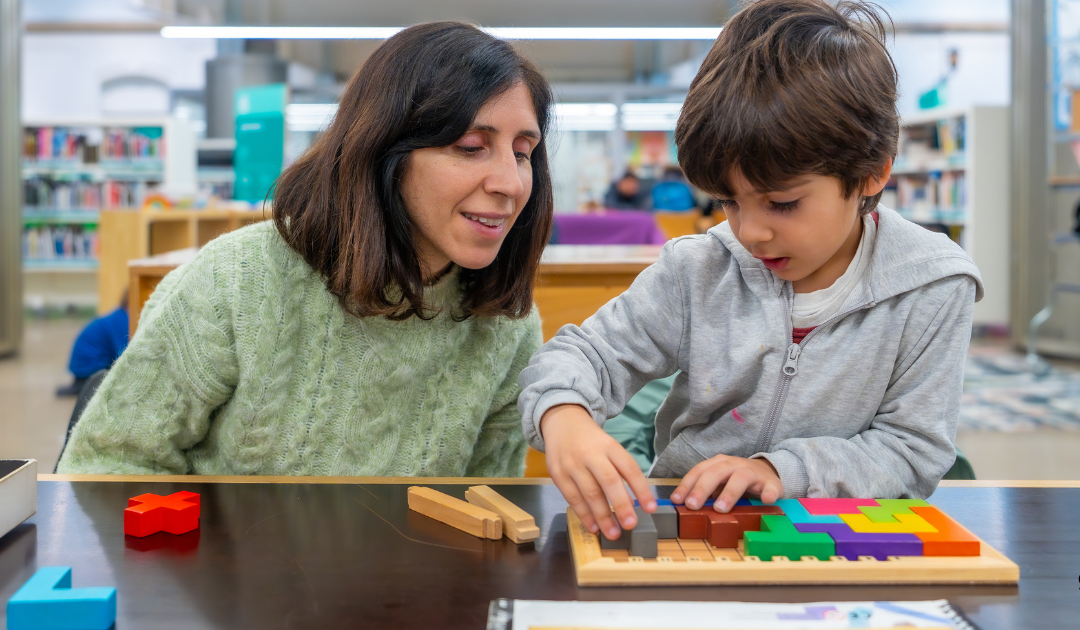
Clinic-based ABA therapy in Rosedale, MD gives children a predictable, structured setting where learning happens through daily routines, guided play, and consistent support from a trained clinical team. For families exploring ABA therapy services, understanding what a typical day looks like can make the process feel more familiar and less uncertain.
At Allium Behavioral Services, clinic-based care is built around structure and connection. Children move through a rhythm of activities designed to build skills while feeling secure, supported, and engaged.
What a Day of Clinic-Based ABA Therapy in Rosedale at Allium Looks Like
A day of clinic-based ABA therapy in Rosedale, MD follows a consistent schedule that helps children know what to expect next. Predictability plays an important role in early learning, and a structured ABA therapy schedule gives children the security they need to focus on new skills.
Most days include a mix of the following:
- A welcoming arrival routine that helps children transition into the clinic environment
- One-on-one and small group learning activities
- Structured play designed to build communication and social skills
- Snack and mealtime routines that practice self-help skills
- Movement breaks that support regulation and focus
- Individualized goal work guided by each child’s treatment plan
Each part of the day is intentional. Therapists pair learning opportunities with natural motivation, so children stay engaged while building meaningful skills.
Building Skills Through Structured Play and Learning with Clinic-Based ABA Therapy in Rosedale
Play is a central part of how children learn, and clinic-based ABA therapy uses structured play to support communication, problem-solving, and social connection. Therapists create activities that feel enjoyable to children while gently guiding them toward specific developmental goals.
Structured learning for children may include:
- Turn-taking games that build patience and social awareness
- Imitation and modeling activities that support language development
- Sensory-friendly play that encourages exploration
- Cooperative tasks with peers that practice sharing and communication
By weaving skill-building into play, children practice new abilities in a way that feels natural rather than repetitive or forced. This approach helps skills take root and carry forward into other settings.
How Routines Support Independence in Young Children
Consistent ABA therapy daily routines give children the repetition they need to build independence over time. When a child experiences the same sequence of steps each day, they begin to anticipate what comes next and take a more active role in their own care.
Routines within the clinic often support:
- Following multi-step directions
- Practicing self-care tasks such as handwashing or putting away materials
- Managing transitions between activities with less resistance
- Building tolerance for waiting and turn-taking
Over time, these small, repeated moments add up to meaningful growth. A child who learns to follow a clinic routine is often better prepared to manage routines at home, in childcare settings, or eventually in school.
The Role of BCBAs and Therapy Teams in Daily Care
A Board Certified Behavior Analyst (BCBA) oversees each child’s individualized treatment plan, ensuring that daily activities align with specific developmental goals. Registered Behavior Technicians (RBTs) work directly with children throughout the day, guided by ongoing supervision and structured mentorship from the clinical team. Families interested in learning more about how this oversight works can visit our BCBA Supervision page.
This layered approach to care ensures every session is shaped by data, observation, and clinical judgment. Progress is tracked consistently, and treatment plans are adjusted as children grow and reach new milestones. Daily routines are never arbitrary. Each activity is chosen with a clear developmental purpose in mind.
According to Autism Speaks, individualized, evidence-based approaches are an important part of supporting long-term progress for children with autism. Allium’s clinical team applies this same principle to daily programming, adjusting routines and goals as each child’s needs evolve.
Connecting Clinic Progress to Home Life
Skills learned in the clinic are most meaningful when they carry over into everyday life at home. Allium’s clinical team partners closely with families to share strategies, celebrate progress, and offer guidance on how to reinforce routines outside of clinic hours.
This might include:
- Sharing simple visual schedules families can use at home
- Offering suggestions for extending mealtime or self-care routines
- Reviewing progress updates during scheduled parent meetings
- Answering questions about how to support a specific skill
Zero to Three emphasizes that consistent, nurturing routines in early childhood play a foundational role in healthy development. Allium’s family-centered approach reflects this understanding, treating parents and caregivers as partners in every step of the process.
Frequently Asked Questions About Clinic-Based ABA Therapy in Rosedale
What does a typical ABA therapy session look like?
A typical session includes a mix of structured learning activities, guided play, and routine-based tasks such as snack time or transitions. Sessions are individualized, so the specific activities depend on each child’s treatment plan and goals.
How are parents kept informed of their child’s progress?
Families receive regular updates from the clinical team, including scheduled meetings to review progress, discuss goals, and share strategies for supporting skills at home.
How do clinic routines translate to skills at home?
Skills practiced in the clinic, such as following directions, managing transitions, and completing self-care tasks, are designed to generalize to other settings. Allium’s team works with families to reinforce these routines at home so progress continues outside of therapy hours.
Can my child attend clinic-based ABA therapy full-time or part-time?
Every treatment plan is individualized. Depending on your child’s needs, goals, and clinical recommendations, ABA therapy may be provided for a few hours each week or as a more comprehensive program. A BCBA will recommend a schedule based on your child’s assessment and ongoing progress.
Connect With Our Team About Clinic-Based ABA Therapy in Rosedale
Reach out to Allium Behavioral Services to learn more about a typical day in our clinic-based program and how structured routines support learning for young children in Rosedale, MD. Visit our Contact page to get in touch with our team.