


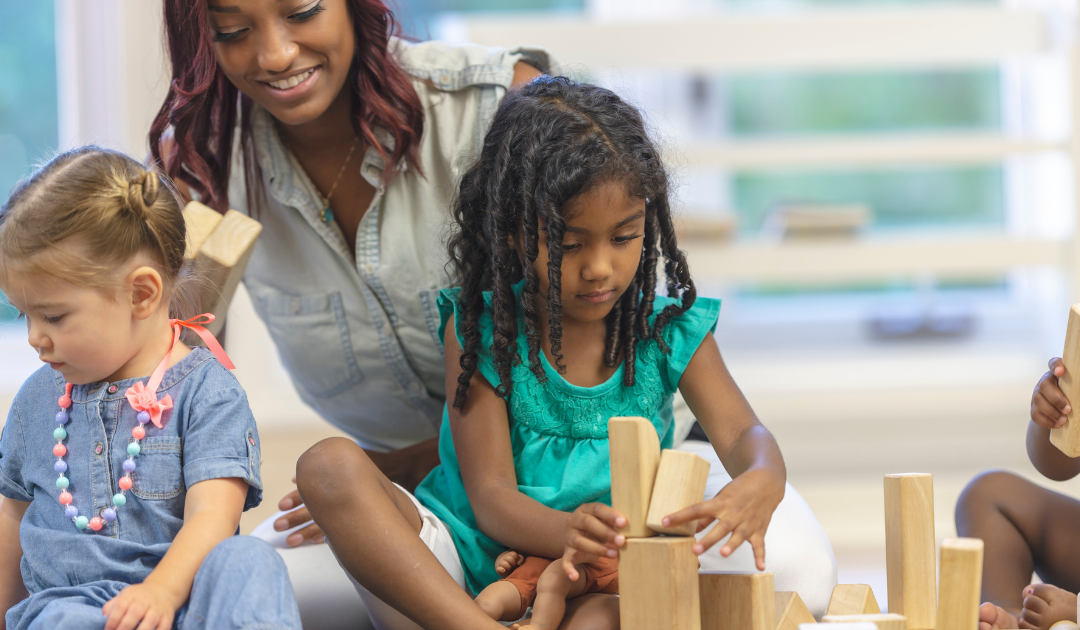
Communication plays an important role in how children express their needs, connect with others, and participate in everyday activities. When communication skills develop differently than expected, early support can help children build meaningful ways to interact with the world around them. At Allium Behavioral Services, we partner with families throughout Baltimore County to strengthen communication skills through individualized, evidence-based ABA therapy that reflects each child’s unique strengths and learning style. ABA therapy communication is a key component to our services at Allium.
Building Foundational ABA Therapy Communication Skills
Communication development includes much more than spoken language. Children communicate through gestures, facial expressions, sounds, words, pictures, and other forms of interaction.
For many families exploring ABA therapy communication development in Baltimore County, one of the primary goals is helping children develop effective ways to express their wants, needs, interests, and emotions.
ABA therapy supports foundational communication skills such as:
- Requesting preferred items or activities
- Responding to others
- Following simple directions
- Making choices
- Taking turns during interactions
- Using gestures or visual supports
- Participating in conversations as skills develop
Therapy plans are individualized to reflect each child’s current abilities and developmental goals. Some children may be working on early communication skills, while others focus on expanding language, social communication, or conversational abilities.
How ABA Therapy Communication Looks Different for Every Child
Children develop communication skills at different rates and through different methods.
Some children communicate using spoken language, while others may benefit from visual supports, gestures, sign language, or augmentative and alternative communication systems. The goal is to help children build functional communication skills that support participation in daily life.
Families interested in learning more about available support options can explore our personalized ABA therapy services to see how communication goals are incorporated into individualized treatment plans.
How ABA Therapy Communication Supports Language Growth
Young children learn communication skills through meaningful interactions, play experiences, and everyday routines.
During ABA therapy sessions, therapists create opportunities for children to practice communication naturally throughout activities that are engaging and motivating.
Strategies may include:
- Play-based learning activities
- Modeling language during interactions
- Encouraging turn-taking
- Supporting requests and choices
- Expanding vocabulary development
- Strengthening social communication skills
For families seeking ABA therapy for toddlers, early intervention can provide additional opportunities to strengthen communication during an important stage of development.
Supporting Both Expressive and Receptive Language
Communication development often includes two important areas:
Expressive language involves how a child shares thoughts, wants, and ideas with others.
Receptive language involves understanding words, directions, questions, and information received from others.
Therapists support growth in both areas while adjusting strategies to reflect each child’s individual learning needs.
According to the American Speech-Language-Hearing Association (ASHA), communication development occurs through ongoing interaction, play, and engagement with caregivers and professionals who support language learning.
Practicing ABA Therapy Communication Skills at Home in Baltimore County
Children often learn best when opportunities for practice occur across multiple environments.
Families play an important role in supporting communication development throughout daily routines.
Simple activities that encourage communication may include:
- Offering choices during meals and activities
- Reading books together
- Singing songs and nursery rhymes
- Practicing turn-taking games
- Creating opportunities for children to request items
- Encouraging communication during play
These everyday moments provide valuable opportunities for children to practice newly developing skills.
Families throughout Baltimore County frequently ask how they can reinforce therapy goals at home. Consistency across settings helps children apply communication skills in a variety of situations and interactions.
The Maryland State Department of Education’s early intervention resources also provide families with information about developmental support and services available for young children.
Partnering With Families for Consistent Progress
Family involvement is an important component of communication development.
At Allium Behavioral Services, collaboration extends beyond therapy sessions. Our team works closely with caregivers to share strategies, discuss progress, and identify opportunities for skill practice during everyday routines.
Through ongoing partnership, families can:
- Learn communication-building strategies
- Support skill development at home
- Share observations and priorities
- Celebrate developmental milestones
- Maintain consistency across environments
Families may also benefit from connecting with others who share similar experiences. Our Early Childhood Support Group for caregivers provides opportunities for families to access resources, guidance, and community support while navigating early childhood development.
Building Communication Through Meaningful Relationships
Children develop communication skills through relationships and shared experiences.
When therapists, caregivers, and children work together toward common goals, communication opportunities become part of everyday life. This collaborative approach helps create meaningful learning experiences that support continued growth over time.
Supporting Communication Growth Every Step of the Way
Communication creates opportunities for connection, learning, and participation in everyday life. When children receive individualized support that reflects their strengths and developmental needs, they can continue building skills that help them engage with the people and environments around them. Allium Behavioral Services is proud to partner with families throughout Baltimore County by providing compassionate, evidence-based ABA therapy that supports meaningful communication development.
Connect with Allium Behavioral Services to learn how ABA therapy can support your child’s communication development.
Frequently Asked Questions
Can ABA therapy help a nonverbal child communicate?
Yes. ABA therapy can support communication development using a variety of approaches based on the child’s strengths and needs. Communication may include spoken language, gestures, visual supports, sign language, or other communication systems that help children express themselves effectively.
How long does it take to see progress in communication skills with ABA therapy?
Every child develops at their own pace. Progress depends on factors such as current skill levels, individual goals, consistency of support, and opportunities for practice. Ongoing assessment helps guide therapy and monitor growth over time.
Can communication strategies from therapy be used at home?
Yes. Family involvement plays an important role in communication development. Therapists often share practical strategies that caregivers can incorporate into daily routines, play activities, and everyday interactions.